E-Waste Pickup Services: Simplifying Your Recycling Experience for a Greener Tomorrow
Electronic waste pickup solutions are revolutionizing how individuals and businesses approach recycling. These services simplify the disposal process while adhering to environmental standards. They not only reduce the burden of transporting large electronic items but also contribute to sustainable practices. As more consumers seek eco-friendly solutions, understanding the nuances of these services becomes essential. What criteria should one examine when picking an electronic waste pickup provider? What you discover could be unexpected.
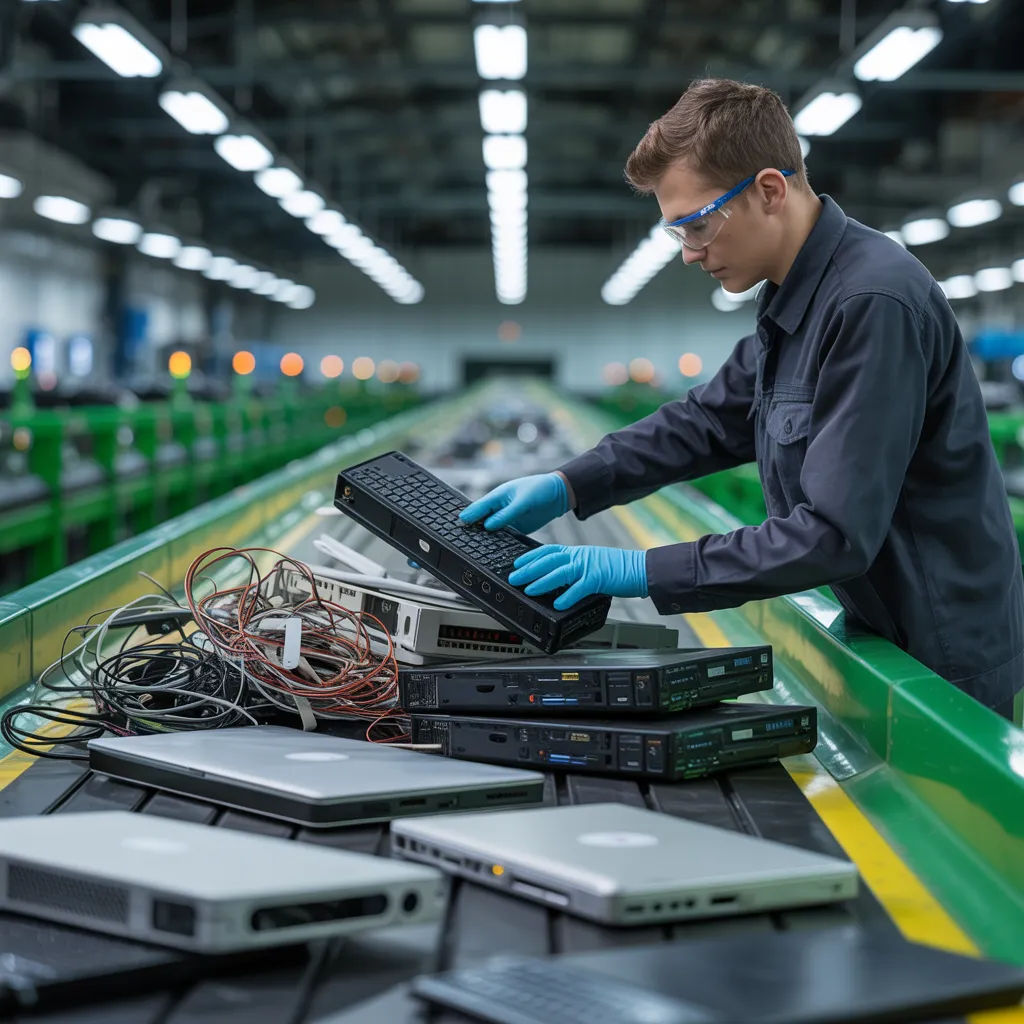
How E-Waste Pickup Addresses Environmental Impact
E-waste collection services play a vital role in minimizing the environmental effects of disposed electronics, as they facilitate the responsible disposal and recycling of hazardous materials. These services help prevent dangerous chemicals, such as cadmium, lead, and mercury, from polluting soil and water sources. By efficiently collecting and transporting e-waste, they guarantee that harmful components are handled in accordance with environmental regulations.
In addition, e-waste pickup services promote the reclamation of valuable resources by redirecting valuable materials, including gold, copper, and silver, back into the manufacturing cycle. This minimizes the demand for freshly sourced raw materials, thereby protecting natural resources and limiting energy usage linked to mining and material processing.
Furthermore, these programs boost general awareness about the significance of proper e-waste management, inspiring households and companies to engage in green practices. In general, e-waste retrieval services considerably contribute to a cleaner, healthier environment by resolving the concerns created by electronic waste.
Advantages of Utilizing E-Waste Pickup Services
Electronic waste pickup services offer considerable benefits for homeowners and organizations alike. These solutions offer practical pickup options, making the disposal of outdated electronics hassle-free. Moreover, they guarantee environmentally responsible disposal practices, helping to reduce environmental harm associated with electronic waste.
Flexible Collection Methods
When individuals and businesses seek to responsibly dispose of electronic waste, utilizing pickup services offers a seamless solution. These services offer flexible collection options tailored to different schedules and requirements. Clients can often choose from flexible pickup times, accommodating both residential and commercial locations. This removes the hassle of hauling heavy items to recycling facilities, preserving precious time and energy. Additionally, many e-waste pickup providers offer same-day or scheduled appointments, enhancing accessibility. By simplifying the collection procedure, these services motivate more individuals to recycle their electronics, significantly lowering the environmental footprint of e-waste. The simplicity of booking and pickup encourages proper disposal habits, establishing it as an ideal option for those seeking to support a more sustainable future.
Environmentally Conscious Disposal Techniques
Using e-waste pickup services guarantees that electronic items are disposed of in an environmentally responsible manner. Such services are experts in managing multiple categories of electronic waste, ensuring that harmful substances, including lead and mercury do not enter landfills. By partnering with certified recyclers, electronic waste collection services support resource preservation by recovering valuable materials, minimizing the requirement for new raw materials. Furthermore, these providers regularly follow regional and global regulations, advancing eco-friendly practices. Businesses and individuals gain from the ease of scheduled collections, easing the challenge of moving large items. Ultimately, choosing green disposal options through e-waste pickup providers builds a foundation of sustainable thinking, supporting mindful consumer practices and decreasing environmental harm.
Expectations for E-Waste Pickup?
What should one anticipate during an e-waste pickup? Individuals can expect a streamlined process designed to facilitate responsible recycling of electronic waste. To begin, a confirmed appointment will be arranged, enabling easy and flexible scheduling. During the scheduled pickup, a professional team will show up ready to manage numerous types of electronic equipment, ensuring secure transport and a hassle-free process.
Users need to prepare their electronic waste by categorizing the items to be picked up, as this can expedite the process. The retrieval team can offer assistance on which items are eligible and which are not. Safety measures are often in place, including protective gear and proper handling techniques for hazardous materials.
Moreover, transparency is key; customers may receive a receipt or confirmation of the collected items, underlining the pledge toward responsible disposal. In summary, the electronic waste pickup service is designed to simplify the e-waste recycling experience while supporting green and responsible practices.
Essential Factors for Choosing an E-Waste Pickup Service
What steps can someone take to ensure they select the best e-waste pickup service? Selecting an appropriate service requires careful consideration of several key criteria. First, it is vital to verify the service's certifications and compliance with local and national environmental regulations. This ensures that electronic waste is managed in a lawful and conscientious manner. Furthermore, examining the organization's reputation via customer reviews and endorsements can shed light on their trustworthiness and professional standards.
Moreover, assessing the variety of services provided can prove advantageous; a complete service could encompass data destruction, recycling, and refurbishment alternatives. Additionally, openness in pricing is crucial; straightforward, upfront fees help circumvent unexpected costs. Ultimately, consider the company's responsiveness and customer service, as open communication promotes a more efficient pickup encounter. By focusing on these criteria, organizations and individuals can reliably choose an e-waste collection service that matches their environmental objectives.
Ready to Schedule Your E-Waste Pickup?
What is the optimal time to arrange an e-waste pickup? The timing of your pickup can significantly affect the efficiency of the recycling process. Ideally, individuals should consider scheduling pickups during weekdays when service providers often have more availability. Early mornings or late afternoons may also be ideal, as these times typically experience less traffic, allowing for quicker service.
Moreover, planning in advance is key. Clients are encouraged to schedule pickups a few days ahead, particularly during busy seasons or local recycling initiatives. This helps ensure that the designated service can fulfill specific requests and requirements.
Moreover, coordinating the collection with regular household responsibilities or tidying initiatives can simplify the overall effort. By coordinating the electronic waste pickup with individual timetables, people can ensure the recycling process is smoother and more convenient. Ultimately, careful planning supports a more streamlined e-waste recycling experience, nurturing a commitment to ecological responsibility.
What's Next for E-Waste Recycling?
As the e-waste challenge becomes increasingly severe, future technologies in recycling are poised to transform the industry. Projected legislative updates are likely to bolster recycling programs, while innovative collection methods promise to make e-waste disposal more accessible. Combined, these advancements have the potential to substantially elevate the performance and impact of e-waste recycling operations.
Next-Generation Technologies in Recycling
Innovations in technological development are poised to transform e-waste recycling, improving operational efficiency and environmental responsibility. Advanced robotics and automated sorting systems are progressively being incorporated into recycling facilities, enabling the exact extraction of recoverable resources from electronic waste. Machine learning and artificial intelligence serves a vital function in optimizing these processes, facilitating real-time decision-making and elevating recovery rates. Moreover, emerging methods such as advanced hydrometallurgical and biotechnological processes are designed to extract precious metals with minimal environmental impact. Distributed copyright technology is also being explored for monitoring electronic waste across the recycling process, promoting accountability and transparency. As these developments progress, they will markedly reduce the carbon footprint of e-waste disposal, paving the way for a more environmentally responsible future in the recycling of electronic devices.
Changes to Policy Are Coming
Policymakers are moving forward with major regulatory reforms intended to strengthen electronic waste recycling efforts. These measures seek to tackle the increasing challenges related to electronic waste disposal and its ecological consequences. Proposed regulations include tighter standards for electronics makers regarding product lifecycle management, encouraging them to design for recycling. Additionally, incentives for consumers to bring back used devices are under consideration, promoting habits of conscientious waste management. Authorities may additionally boost financial support for e-waste collection initiatives, working to enhance availability and productivity in e-waste collection. By fostering clarity and oversight in the recycling process, policymakers hope to reduce landfill contributions and improve resource recovery, ultimately leading to a more sustainable approach toward handling electronic waste sustainably in coming years.
Innovative Collection Methods
Transforming e-waste collection methods is vital for improving recycling effectiveness and reach. Innovative technologies, such as digital platforms, support scheduled collections, enabling consumers to plan collection at their convenience. Furthermore, partnerships with local businesses and community centers create specific collection locations, increasing the convenience of recycling. Advanced bins equipped with sensors can monitor fill levels, guaranteeing prompt pickups and minimizing operational hurdles. In addition, incentive-driven methods motivate engagement by rewarding individuals or communities for their recycling efforts. These developments not only optimize the retrieval workflow but also highlight the significance of conscientious e-waste handling. As these advanced techniques grow in popularity, they herald a more eco-friendly era for e-waste management, ultimately contributing to a greener planet.
Common Questions and Answers
What Types of E-Waste Are Accepted for Pickup?
E-waste pickup services typically accept devices such as old computers, televisions, smartphones, tablets, printers, and various electronic accessories. These programs work to properly recycle and manage electronic devices in a sustainable and responsible way.
Are There Fees Involved With E-Waste Pickup Services?
Costs for e-scrap retrieval solutions are subject to change depending on geographic region and the type of electronics being gathered. A number of companies may supply no-cost retrieval, while others may charge fees based on the quantity or particular electronics.
How Is Data Security Ensured During E-Waste Disposal?
Data protection during e-waste disposal is ensured by utilizing techniques including thorough data sanitization, physical elimination of storage hardware, and accreditation from trusted recyclers, safeguarding sensitive information and preventing unauthorized access to personal and corporate data.
Do Businesses Have Access to E-Waste Pickup Services?
Absolutely, companies can make use of e-waste pickup services. Such services are tailored to meet the needs of organizations, Begin here ensuring efficient disposal and recycling of electronic waste while encouraging eco-friendly practices and adherence to regulations governing proper e-waste handling.
What Happens to E-Waste After It's Picked Up?
When e-waste is picked up, it undergoes sorting for recyclable materials, followed by dismantling and refinement. Dangerous components are carefully and safely disposed of, while recyclable metals and plastics are reclaimed and repurposed, advancing sustainable resource management goals.